An engagement ring is more than a piece of jewelry — it is a symbol of commitment, emotion, and the beginning of a new chapter. With endless styles, diamond choices, and customization options, selecting the perfect ring can feel overwhelming for many buyers. However, understanding the core components of a ring and how they align with personal preferences can make the decision process not only easier but enjoyable. This guide provides a professional breakdown of what truly matters when purchasing an engagement ring.
1. Master the 4Cs: The Foundation of Diamond Selection
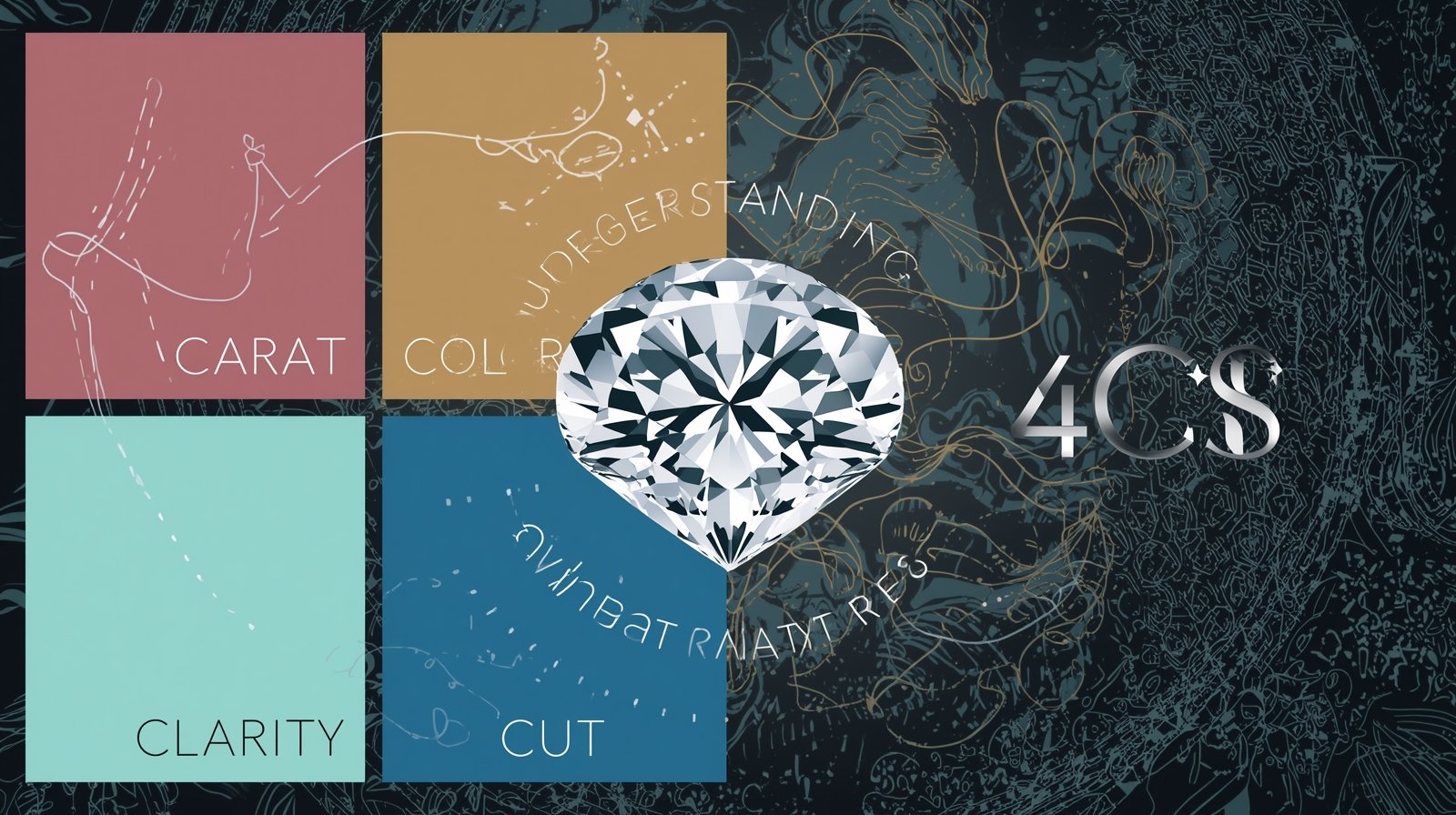
The value, appearance, and brilliance of a diamond are defined by the 4Cs — Cut, Color, Clarity, and Carat Weight. Rather than focusing on size alone, balance these features to achieve both beauty and budget efficiency.
Cut
The cut determines how well a diamond reflects light. It is the most important of the 4Cs because it influences brightness and sparkle more than size or clarity.
Color
Diamonds range from colorless to slightly tinted. The less visible the color, the higher the value. For maximum brilliance at a practical cost, choosing a near-colorless grade often provides the best balance.
Clarity
Clarity measures the presence of natural inclusions. While flawless diamonds exist, many inclusions are microscopic and invisible to the naked eye. A clarity grade that combines beauty and value is often sufficient.
Carat Weight
Carat refers to size and weight. While larger diamonds are more expensive, a well-cut diamond of modest weight can appear larger and brighter than a heavier but poorly cut stone.
Professional Insight: If you are optimizing for visual beauty, prioritize cut first, followed by color and clarity, and lastly carat weight.
The diamond shape sets the tone for the ring’s personality and its overall style. Each silhouette appeals to different tastes.
- Round: Timeless, classic, and known for maximum brilliance.
- Princess: Modern and angular with exceptional fire.
- Oval: Elegant and elongating, creates the illusion of greater size.
- Cushion: Soft, romantic shape with rounded corners.
- Emerald: Sophisticated rectangular shape with a hall-of-mirrors effect.
- Pear, marquise, radiant, and heart: Alternative shapes for buyers seeking bold individuality.
Observing the type of jewelry the wearer already prefers is the most reliable indicator of the right shape.
3. Select a Setting That Reflects Personal Style
The setting not only secures the center stone but also defines the ring’s character and visual impact.
| Setting | Description |
|---|---|
| Solitaire | Focuses solely on the center diamond for a minimalist, classic look. |
| Halo | Encircles the center stone with smaller diamonds, maximizing sparkle and enhancing perceived size. |
| Pavé | Diamonds are set along the band, adding brilliance to the whole ring. |
| Three-Stone | Represents past, present, and future; ideal for sentimental buyers. |
| Vintage | Inspired by historic artistry and craftsmanship with intricate detailing. |
Each setting characteristics influences maintenance requirements, visual brilliance, and long-term wear, so it is essential to choose one aligned with lifestyle as well as style.
4. Decide on the Right Metal for Durability and Aesthetic
The choice of metal profoundly affects the look, longevity, and maintenance of the engagement ring.
- Platinum: Hypoallergenic and exceptionally durable; ideal for lifelong wear.
- White Gold: Bright, modern appearance with a more accessible price than platinum.
- Yellow Gold: Warm and traditional, suitable for classic tastes.
- Rose Gold: Elegant and distinctive with a soft pink hue; an increasingly popular contemporary choice.
Matching the metal to the wearer’s existing jewelry is a practical approach to ensuring long-term appreciation.
5. Establish a Defined and Comfortable Budget
There is no universal standard for how much one “should” pay for an engagement ring. The most meaningful ring is one chosen with intention, not pressure. Focus on value rather than size alone, and assess the price based on diamond quality, craftsmanship, and long-term durability.
6. Personalization Makes the Ring Truly Unique
Customization transforms a ring from beautiful to memorable.
Examples of personalization include:
- Engraved initials, names, or significant dates
- Hidden halos or accent stones
- Incorporating birthstones or symbolic gemstones
- Fully custom-designed bands and diamond arrangements
Personal elements create emotional value that surpasses trends and time.
Conclusion
Selecting the perfect engagement ring does not depend on trends or price but on attention to detail, craftsmanship, and personal meaning. By understanding the 4Cs, choosing the diamond shape that resonates most, selecting a setting that aligns with lifestyle and style, and embracing customization, you can create a ring that will be cherished for a lifetime. The perfect engagement ring reflects not only brilliance, but the depth of your bond and the journey ahead.